Manoir de Mirougrain

Illiers-Combray · XVIII–XIX · Château

Manoir de Mirougrain
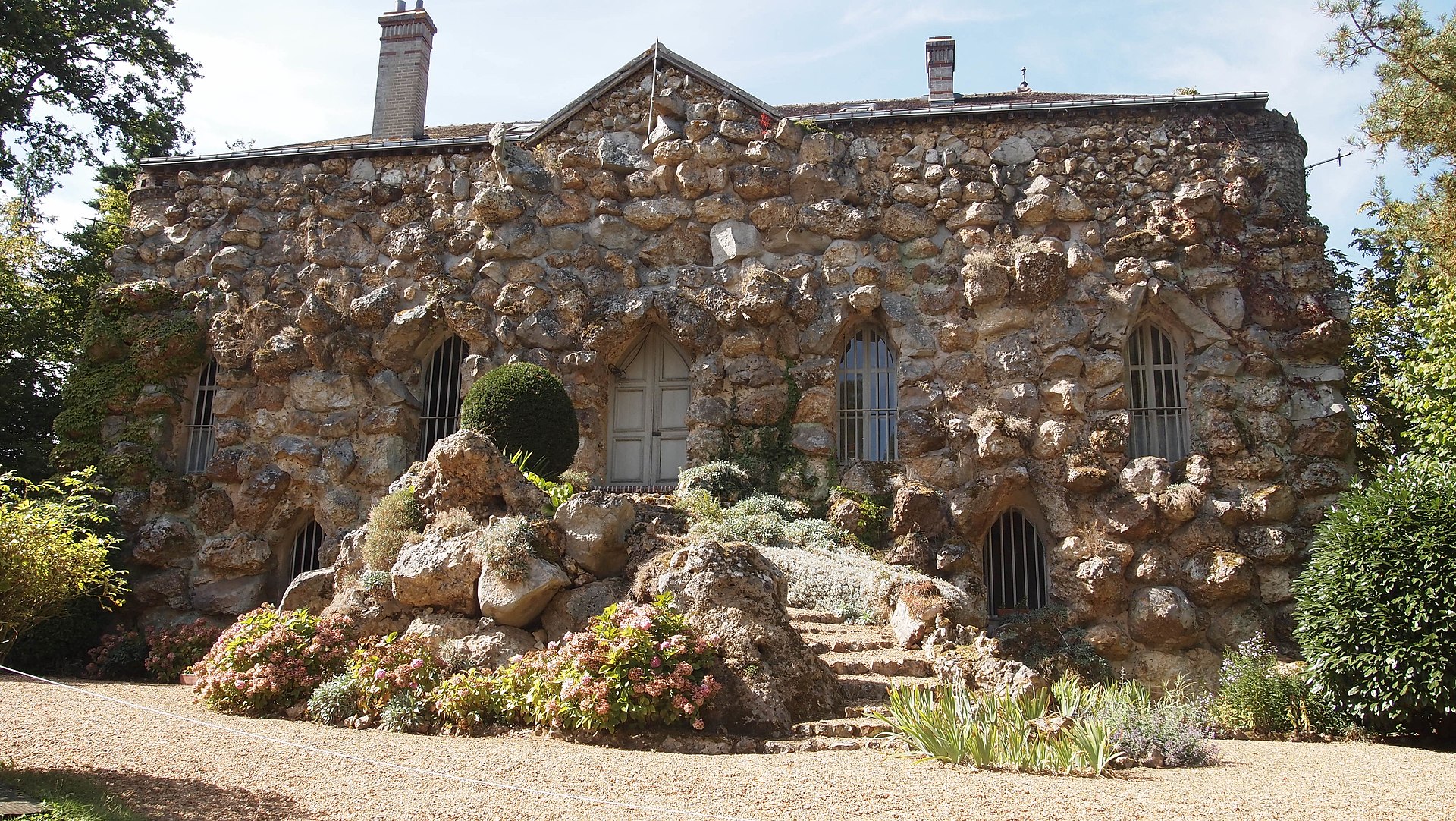
Image — Claurin CC BY-SA 3.0 · Source

Manoir de Mirougrain is a manor house at Illiers-Combray, Eure-et-Loir, in the Centre-Val de Loire region of France. The recorded building campaigns date from the 18th and 19th centuries. It is protected as a monument historique at the second level (inscrit). Details are drawn from the Base Mérimée of the French Ministry of Culture.

Record

Country
France
Department
Eure-et-Loir
Municipality
Illiers-Combray
Centuries
XVIII–XIX
Protection
Monument historique — inscrit
Reference
PA00097126

From the register

Ce manoir était l’objectif de l’une des promenades préférées de Marcel Proust pendant ses séjours à Illiers-Combray. Dans son enfance, le manoir était occupée par une poétesse, Mlle Joinville qui inspirera le personnage de Mlle Vinteuil. Le lieu aurait inspiré Marcel Proust pour « Du côté de Guermantes ». La demeure du 18e siècle a été transformée vers 1886 sur sa façade Est. Des quartiers de roches y ont été plaqués et les fenêtres ont été agrémentées de linteaux en arc brisé.

Quoted from Base Mérimée — immeubles protégés, unedited.

People

Nearby

Own or manage this place?

Continue Exploring

Connected Landscapes & Heritage

Historic gardens, remarkable villages, and protected monuments connected to this estate by geography and architectural history.

🏰Château & EstateChâteau

Château de Villebon

Château de Villebon is a château at Villebon, Eure-et-Loir, in the Centre-Val de Loire region of France. The recorded building campaigns date from the 15th, 16th and 17th centuries. It is protected as a monument historique at the higher of the two levels (classé). Details are drawn from the Base Mérimée of the French Ministry of Culture.

🏛️Protected HeritagePatrimoine

Cathédrale de Chartres

Notre-Dame Cathedral rises above Chartres in Eure-et-Loir. Its west façade retains important twelfth-century elements, including the Royal Portal and early stained glass. Following the fire of 1194, the nave and choir were rebuilt in an architectural campaign influential across thirteenth-century Europe. Sculptured portals at the transepts extend the programme of figures and narratives around the building. UNESCO recognises the close relationship between architecture, monumental sculpture and surviving glass, alongside the cathedral’s long role as a pilgrimage destination. Chartres was inscribed on the World Heritage List in 1979. It remains a religious building within an inhabited town; the historic monument and the contemporary life around it belong to the same setting.
24.3 kmExplore→