Alhambra
The Alhambra served as a palatine city, Christian royal residence and military fortress before its designation as a monument in 1870. It housed the Nasrid sultans, court officials and elite soldiers. After 1492 it became a royal residence under the Tendilla administration.
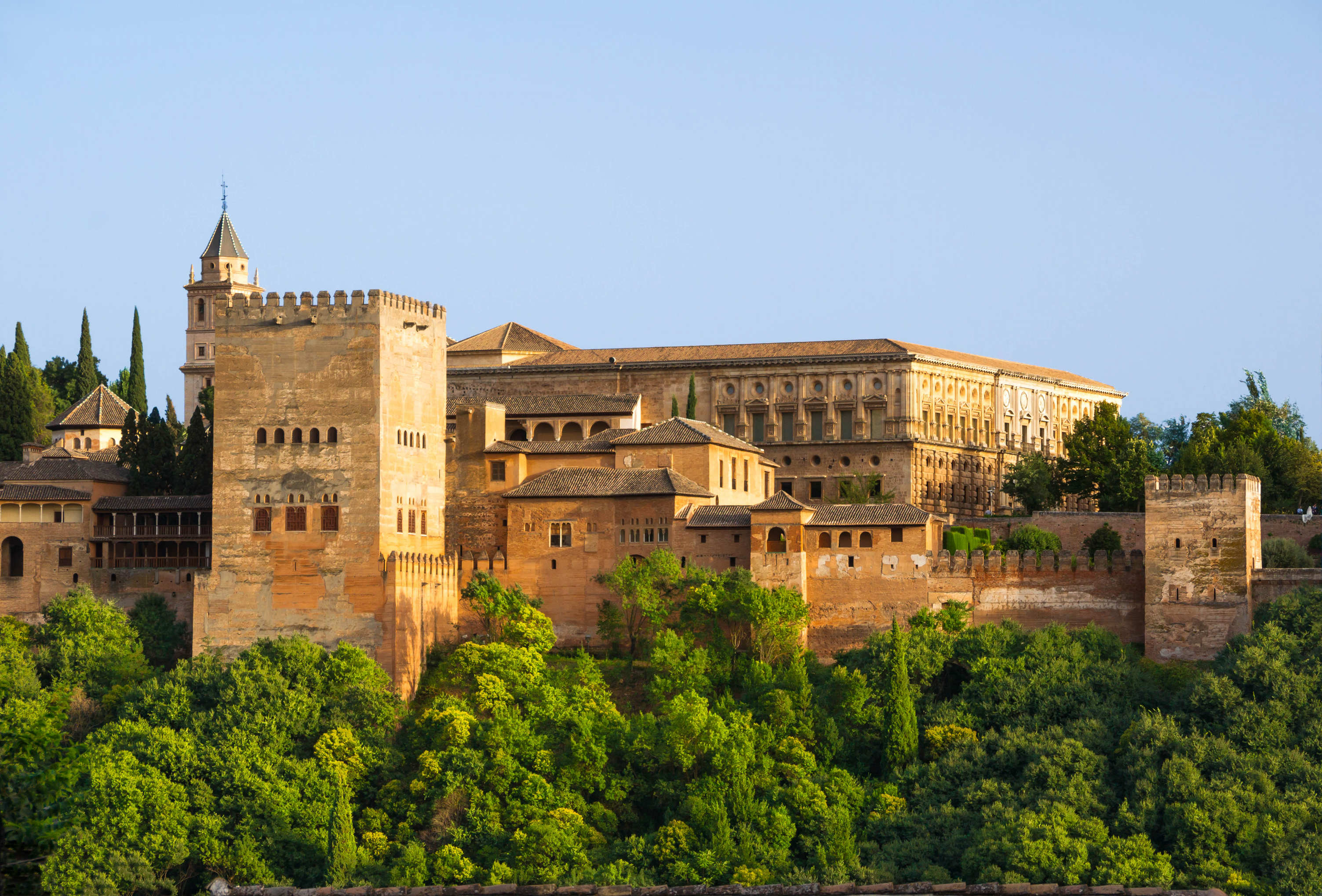

The Alhambra served as a palatine city, Christian royal residence and military fortress before its designation as a monument in 1870. It housed the Nasrid sultans, court officials and elite soldiers. After 1492 it became a royal residence under the Tendilla administration.
Record
- Object type under review
- Spain
Editorial reading
Editorial interpretation: The succession of courtly, royal and military roles offers a way to read the Alhambra through changing uses. Distinguishing those phases helps connect its palace spaces with the wider fortified complex.
Recommendation
Confirm current interior and grounds access with the responsible property or heritage institution before planning a visit. Check the specific entrance, any booking arrangements and accessibility directly. Stay on authorised routes; the recorded coordinate is an identity point and does not establish public admission.
Location and visiting
Confirm current opening times, access and reservations with the place itself. These details follow the source record.
Sources & credits
Source record: Responsible institution or municipality — factual source
Source record: Wikidata identity
Source record: Wikimedia Commons photograph and licence
Explore the region
Based on the recorded country and region. Europe’s regional grouping is an editorial choice. Open the English regional collection to explore places across the Mondes and linked publications.